

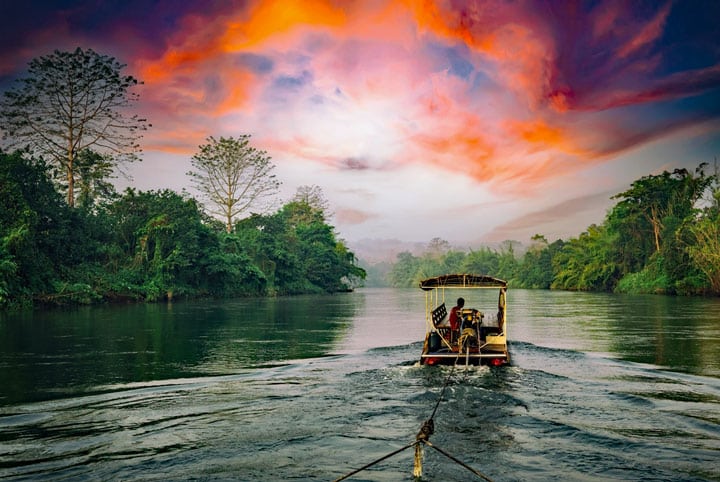
Kanchanaburi is located west of Bangkok and is a logical next step for many travelers after a stay in the Thai capital. The province is known for its combination of war history, mountainous landscape, rivers, jungle, and waterfalls. As a result, it is a destination where you can easily spend several days without the itinerary becoming monotonous.
The most famous spot is the bridge over the River Kwai, but Kanchanaburi is much more than just that one icon. You can hike at Hellfire Pass, swim at Erawan Falls, explore caves in Sai Yok National Park, and enjoy the views at Wat Tham Sua. Huay Mae Khamin Waterfall also deserves attention as a quieter alternative to the popular waterfalls in the province.
The bridge over the River Kwai remains the recognizable face of the province.
For many visitors, the Bridge over the River Kwai is the first image they have of Kanchanaburi. The bridge is located in the city of Kanchanaburi and is inextricably linked to the history of World War II and the construction of the infamous Death Railway. As a result, it is not an ordinary tourist attraction, but a place with a charged background.
You can walk across the bridge and take photos of the railway line, the river, and the surrounding landscape from various points. The light is often more beautiful and it is less crowded, especially early in the morning and later in the afternoon. However, remain alert, as the bridge is still used by trains. When a train approaches, you must make way well in advance on the designated safe sections.
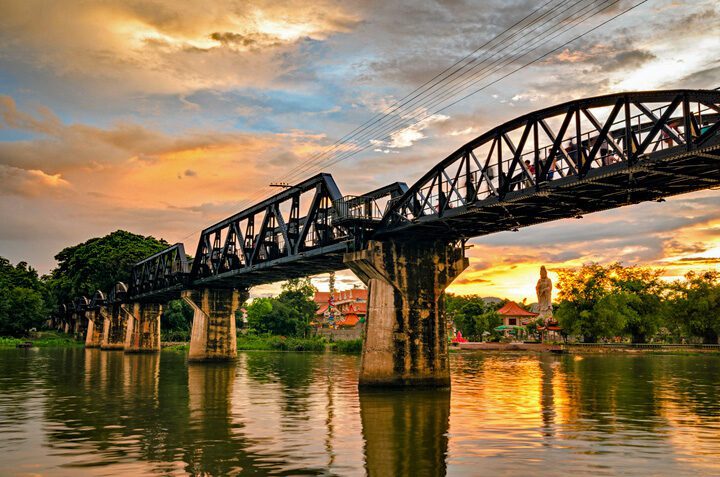
Around the bridge, you will find museums and memorial sites that provide more context regarding the construction of the railway line. This explanation is important, because without historical background, the bridge remains primarily a photo opportunity. The stories about prisoners of war and Asian forced laborers add more depth to your visit. Therefore, take the time to view not only the bridge but also the surrounding area.
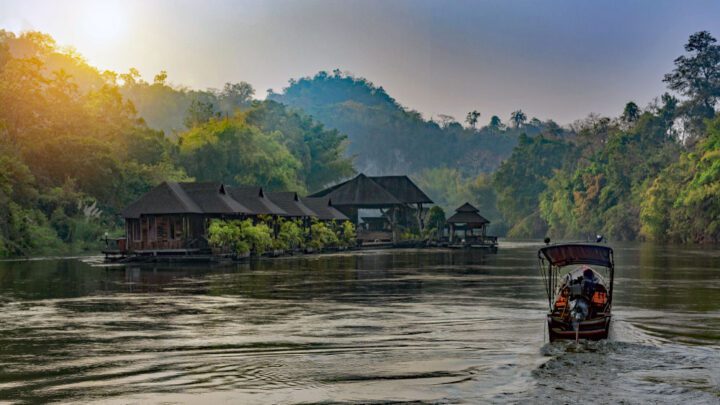
A boat trip on the River Kwai can be a beautiful addition. From the water, you see the bridge and the riverbanks from a different perspective. This makes the visit more relaxed and visually engaging. Preferably choose a tour that doesn't just speed past the bridge but also allows time to experience the landscape.
Erawan Falls requires time, sturdy shoes, and a leisurely pace.
Erawan Falls is one of the most popular natural spots in Kanchanaburi. The waterfall consists of seven levels and is known for its clear, often turquoise pools. The water, the limestone rocks, and the green surroundings combine to create the image that many travelers seek when thinking of Thai nature.
However, Erawan is not a place you should visit in a hurry. The lower levels are relatively easy to reach and therefore busier. Those who climb higher will reach quieter sections, but the hike also becomes more strenuous. Paths can be wet and slippery, especially after rain. Therefore, wear shoes with good grip and do not bring unnecessary items.
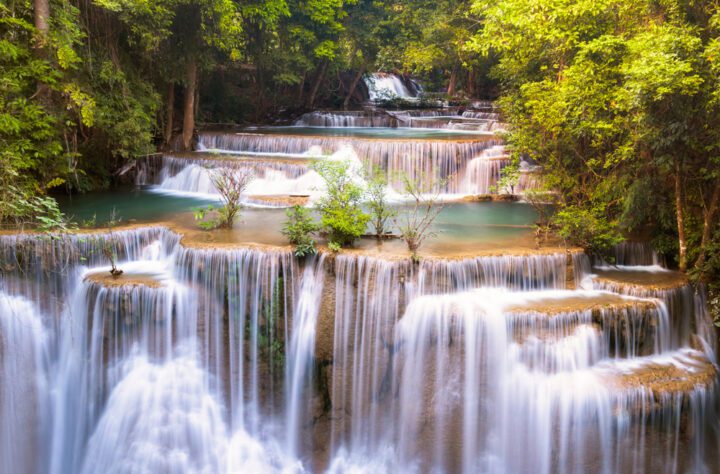
Swimming is permitted at designated areas. Please bear in mind that natural water feels different from a swimming pool: stones are slippery, the water can be deeper than you think, and small fish sometimes come close. This is normal, but not everyone finds it pleasant. A light towel, dry clothing, and a waterproof bag for your phone and passport are practical.
Go early in the day if you want to avoid the crowds and take the walk to the higher levels at a leisurely pace. Bring plenty of water, but leave no litter behind. Rules apply in national parks to protect nature. That may seem obvious, but especially in popular spots, it makes a difference if every visitor handles waste, food, and plastic with care.
Hellfire Pass brings the history of the Death Railway to life.
Hellfire Pass is one of the most poignant places in Kanchanaburi. The deep rock cut was part of the railway line between Thailand and Myanmar, which was constructed under extremely harsh conditions during World War II. The site got its name from the nighttime work by torchlight, which gave the rock walls an almost unreal appearance.
A visit often begins at the Memorial Museum. That is sensible, as it provides you with the historical context first. Afterwards, you can follow the walking path along parts of the former railway line. The walk is not only physical but also emotional. You walk through a landscape that is beautiful, yet simultaneously reminds you of exhaustion, forced labor, and loss.
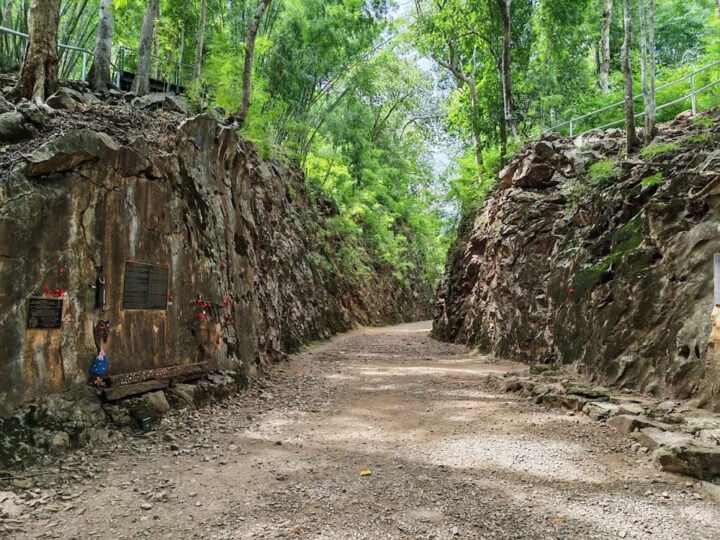
Allow plenty of time for Hellfire Pass. This is not a place for quick selfies or loud tourism. Walk at a leisurely pace, read the information, and use the audio tour if available. It is precisely the combination of silence, jungle, and harsh history that makes an impression. This is also relevant for Dutch and Belgian visitors, as the history of war in Southeast Asia is often less well-known than in Europe.
From a practical point of view, it is wise to go early. It can get warm, especially in shaded areas. Bring water and wear comfortable clothing. Those with limited mobility can check in advance which part of the path is manageable. Even a shorter visit can be worthwhile, as long as you approach the place with attention.
Sai Yok National Park offers jungle, water, and caves
Sai Yok National Park showcases the green, rugged side of Kanchanaburi. The park is known for its jungle, limestone cliffs, rivers, caves, and waterfalls. The provided text specifically mentions Sai Yok Noi Waterfall, an accessible and picturesque waterfall that is popular with travelers and Thai visitors.
The strength of Sai Yok lies in its variety. You can hike, birdwatch, swim at waterfalls, and visit caves. This makes the park suitable for travelers who want to be active, but also for those primarily seeking a quiet day in nature. The atmosphere is different from the famous bridge or Hellfire Pass: here, it is more about the landscape, silence, and being outdoors.
Anyone wishing to visit caves would do well to bring a flashlight or headlamp, even if there is lighting on site. In caves, the ground can be uneven and the air can feel damp. Wear sturdy shoes and avoid touching rock formations unnecessarily. This protects both yourself and the environment.
Bird lovers are better off heading out early. It is cooler in the morning, and there is a greater chance of seeing or hearing animals. Bring binoculars if you have them. Insect repellent is also advisable, especially during the rainy season or near standing water. Sai Yok is attractive for families, but do not over-plan your day. In tropical heat, traveling, walking, and waiting take more energy than you might think.
Wat Tham Sua offers views and cultural enrichment.
Wat Tham Sua, also known as the Tiger Cave Temple of Kanchanaburi, is a striking temple complex featuring a large golden Buddha, a pagoda, and views of the surrounding landscape. The temple is situated on a hill, making it popular among travelers seeking a panoramic view of the province.
The climb to the top requires some effort, especially on warm days. Take your time and do not start in the middle of the hottest hours if you are sensitive to heat. At the top, you are rewarded with views over rice fields, hills, and the surrounding area. This makes the temple not only religiously and culturally interesting but also scenically attractive.

Because Wat Tham Sua is an active religious site, respectful clothing is important. Cover your shoulders and knees, remove your shoes where requested, and behave quietly. Take photos with sensitivity to the surroundings. Monks, praying visitors, and religious objects are not scenery, but part of a living Buddhist tradition.
The caves and the pagoda make the visit varied. For those who know Kanchanaburi only from war history and nature, this temple adds an extra layer. Here you see how spirituality, landscape, and local culture come together. It is precisely for this reason that Wat Tham Sua fits well into an itinerary that aims to offer more than just well-known highlights.
Huay Mae Khamin Waterfall is a quieter alternative to Erawan.
Huay Mae Khamin Waterfall is rightly mentioned in the provided text as a less crowded alternative to Erawan Falls. This waterfall also features multiple levels and natural pools with a green, sometimes emerald-like color. The surroundings often feel quieter and more spacious, giving you more of a sense that you are truly in nature.
The waterfall appeals to travelers who enjoy hiking, swimming, and photography, but prefer not to deal with large crowds of visitors. It is precisely the combination of clear pools, forest, and cascades that makes Huay Mae Khamin suitable for a slower pace of the day. You don't have to rush from point to point here. Take the time to look, sit, and let the sound of the water sink in.
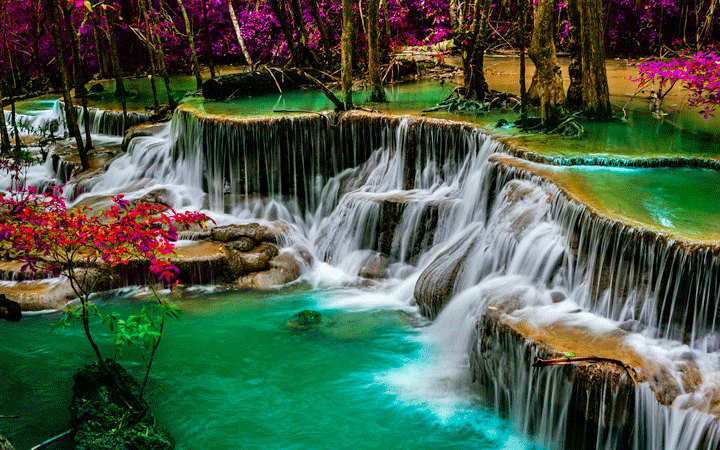
Camping in the surrounding area is also mentioned as a possibility. This can be a special experience, especially for those who want to be at the waterfall early or experience nature in the evening. Do prepare well, however. Check in advance what facilities are available, bring warm or dry clothing for the evening, and be mindful of insects.
Huay Mae Khamin is interesting for photography because the water falls differently at various levels. It is best not to use dangerous vantage points on slippery rocks. The most beautiful photo is worthless if you slip or damage nature. Stay on permitted paths and respect barriers.
This is how you turn Kanchanaburi into a strong multi-day route.
Kanchanaburi deserves more than a day trip. Those traveling back and forth from Bangkok alone usually see the bridge and perhaps one extra spot. By doing so, you miss the very strength of the province: the variety of history, nature, and culture. A stay of two to four days offers much more tranquility.
A logical structure is to visit the city of Kanchanaburi first. Start with the bridge, the museums, and the river. Then, plan a day for Erawan Falls or Huay Mae Khamin Waterfall. Save Hellfire Pass for a day when you don't plan too many other activities, as the place calls for focus and tranquility. Sai Yok National Park can be easily combined with an overnight stay in greener surroundings.
For travelers with children, older family members, or less experienced hikers, it is wise to make choices. Not every waterfall needs to be climbed all the way, and not every trail needs to be followed to the end. Kanchanaburi is at its most beautiful when you adjust your pace to the heat, the distances, and your own energy.
Practical tips for your visit:
- Start early in the day, especially at waterfalls and hiking trails.
- Bring water, sun protection, and insect repellent.
- Wear shoes with grip at waterfalls, caves, and rocky paths.
- Visit historical sites with peace and respect.
- Do not combine too many attractions in one day.
- Check opening hours, transport, and park rules in advance.
- Bring cash for smaller expenses along the way.
- Do not leave any waste behind in national parks or near rivers.
Kanchanaburi is a province to be read slowly, as if traveling through chapters. The bridge and Hellfire Pass tell of a heavy past, while Erawan, Sai Yok, and Huay Mae Khamin showcase Thailand's natural wealth. Wat Tham Sua adds tranquility, views, and culture to the mix. Together, they make Kanchanaburi a journey that stays with you.
About this blogger

-
This article has been written and reviewed by the editorial team. The content is based on the author's personal experiences, opinions, and independent research. Where relevant, ChatGPT was used as a tool for writing and structuring text. We also sometimes generate photos using AI. Although the content is handled with care, it cannot be guaranteed that all information is complete, up-to-date, or error-free.
The reader is responsible for the use of the information on this website. The author accepts no liability for any damage or consequences resulting from the use of the information provided.
Read the latest articles here
 OrganizationsApril 25, 2026Marrying a Thai: why prenuptial agreements are not a luxury
 Living in ThailandApril 25, 2026Why some expats make it in Thailand and others don't (with video)
 Expats and retireesApril 25, 2026Solar panels in Thailand: how to invest smartly in solar energy in 2026
 ActivitiesApril 25, 2026Walking route through historic Bangkok: three hours through the heart of Rattanakosin
After visiting Wat Tham Sua, on your way back you will pass Chinese cemeteries with beautiful family tombs. Just along the road. Pull out of the car and take a look there too. In a rice field behind Wat Tham Sua, there is a lovely spot for lunch. It is called Rakkanná. From the terraces, you have a beautiful view of the mountain with the temple. There is a long boardwalk so you stand quite a way into the rice field. Don't forget your camera. If you take a small detour, you can go and see a massive tree: the giant Monkey Pod Three, with a crown 26 meters in diameter.