


Thailand is attractive to many Western expats and retirees due to the climate, lower costs, and good private hospitals in major cities. However, long-term living there requires a realistic view of health. It is not exotic ailments alone, but rather a combination of heat, infections, air pollution, traffic, and healthcare organization that determines how truly safe your daily life will be.
Especially if you are older, have a chronic condition, or take daily medication, risks can become serious more quickly. Therefore, you must distinguish between official medical advice, practical dangers, and regional or personal differences. It is precisely this that determines whether living in Thailand becomes healthy or improvisation.
What is official advice and what counts in practice
When it comes to health information about Thailand, you must distinguish between three layers. The first layer is official medical advice: vaccinations, mosquito protection, safe food and drink, malaria in border areas, and extra vigilance regarding animal bites or flooding. The second layer concerns what goes wrong most often in daily life. This includes dengue, heat, dehydration, diarrhea, air pollution, traffic injuries, and problems with access to healthcare or medicine supplies. The third layer is less black and white. It depends on the region, season, home, occupation, age, chronic conditions, and your living situation.
It is precisely this distinction that is important for Western expats and retirees. A healthy fifty-something in an air-conditioned condo in Bangkok or Pattaya has a different risk profile than a seventy-something with heart failure, diabetes, or COPD in a rural area. For the latter group, heat, poor air quality, infections, dehydration, and limited continuity of care can more quickly lead to hospitalization or acute deterioration. Long-term living in Thailand therefore requires not only travel vaccines, but a complete medical residency strategy, from housing choice and insurance to water, food, emergency numbers, and regular care.
Infections, water, and seasonal diseases remain relevant
Dengue remains one of the most concrete infection risks in 2026. International surveillance again showed large numbers at the beginning of this year, with hundreds to thousands of reported cases and multiple deaths already in various updates. Chikungunya also remains relevant. Thailand recorded 1379 cases in 2025, approximately double that of 2024, with the highest prevalence in the north, particularly around Chiang Mai. For people planning to live in Thailand for six months or longer, it may therefore be worthwhile to discuss vaccination against chikungunya. Malaria is not a major problem for most expats in large cities and popular coastal towns, but it does play a role in border provinces along Myanmar, Cambodia, and Malaysia, especially in rural forest areas.
Japanese encephalitis is primarily a risk if you move to an area where the disease is prevalent, stay there for an extended period, or spend a lot of time outdoors in a rural environment without air conditioning, screens, or mosquito nets. Additionally, foodborne infections and diarrhea remain among the most common practical problems. Street food can be fine if freshly prepared and served hot, but raw food, lukewarm buffet food, unreliable ice, and water of unknown origin remain risky. Therefore, use only safe, filtered, or sealed drinking water, preferably for brushing your teeth as well. Furthermore, bringing your own antibiotics or using them quickly is less simple than it used to be, as antibiotic-resistant bacteria are widespread in Thailand.
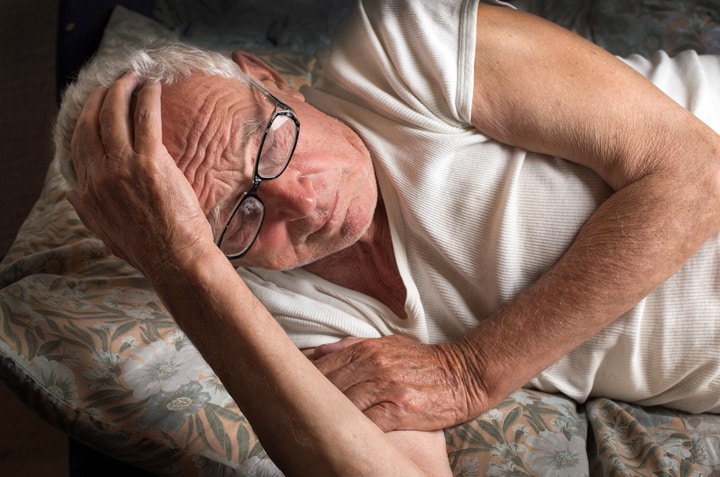
Other infections should not be dismissed either. Rabies still occurs in dogs, but a bite or scratch from a cat or monkey also requires immediate medical assessment. Those living outside the major cities must be extra vigilant about this. After heavy rainfall and flooding, the risks of leptospirosis and melioidosis increase, particularly due to contact with mud, contaminated water, and open wounds. This is especially relevant in low-lying areas and rural regions. In southern Thailand, warnings were also issued in 2026 regarding flooding causing damage to healthcare infrastructure and an increased risk of waterborne, vector-borne, and fungal infections. Common respiratory infections also remain significant. In early 2026, influenza A H3 was clearly circulating in Thailand, which can have severe medical consequences for the elderly and the chronically ill.
Heat, air pollution, and traffic are often more dangerous than a tropical disease.
For many expats and retirees, heat is the most underestimated health risk. In Thailand, it is not just about high temperatures, but also about high humidity and prolonged exposure. Older people respond less well to temperature fluctuations, are more likely to have chronic conditions, and more frequently use medications that affect sweating, blood pressure, or fluid balance. Heat increases the strain on the heart and blood vessels and can lead to dehydration, electrolyte imbalances, blood pressure drops, arrhythmias, heart failure, stroke, and acute kidney problems. That risk increases further if you use diuretics, take certain blood pressure medications, or take psychotropic drugs that disrupt temperature regulation.
There is another factor at play. In warm weather, alcohol increases the risk of dehydration, accidents, and misjudging risks. At the same time, air pollution in Thailand is not a minor detail, but a structural health problem for many people. Air quality can deteriorate significantly, particularly between December and March, often peaking in March and April in the north and northeast due to smoke. Bangkok and Chiang Mai are frequently severely affected. For people with asthma, COPD, or cardiovascular disease, this can lead to increased shortness of breath, hospital admissions, and a worsening of existing symptoms. Traffic also belongs in this list. Motorcyclists and scooter riders face by far the greatest risk, especially around busy holiday periods such as Songkran. Mental health also plays a role. Long-term living in Thailand can lead to isolation, gloom, and poorer self-care due to the loss of social networks, routine, and language security.
Your place of residence, home, and lifestyle determine much more than you think.
Thailand is not a medically uniform country. If you live in Bangkok or Chiang Mai, air pollution, traffic, and quick access to good private healthcare are important issues. In the north and northeast, smoke often weighs more heavily, whereas chikungunya has been reported relatively more frequently in the north in recent years. If you live in border provinces or rural forest areas, malaria, slower access to care, and exposure to mud, animals, and stagnant water become more important. In Pattaya, Phuket, Koh Phangan, Koh Samui, and the islands of Krabi, malaria is much less of an issue or non-existent, but dengue, heat, scooter use, and water safety remain real risks there.
The season and the home also make a big difference. In many parts of Thailand, the rainy season runs roughly from May to October, while the south and the southeast coast can also experience heavy rain from October through January. More rain means more mosquitoes, more floodwater, and a greater risk of infection via mud and stagnant water. During the dry season, heat and poor air quality play a more significant role. A condo with air conditioning, tightly sealing windows, insect screens, an elevator, and a short travel time to a hospital noticeably lowers your risk. A house in a rural area without cooling, requiring a lot of gardening, with open windows, and a long distance to emergency care, does exactly the opposite. Furthermore, sleeping outdoors or frequently sitting outside increases exposure to mosquitoes and Japanese encephalitis in rural areas.
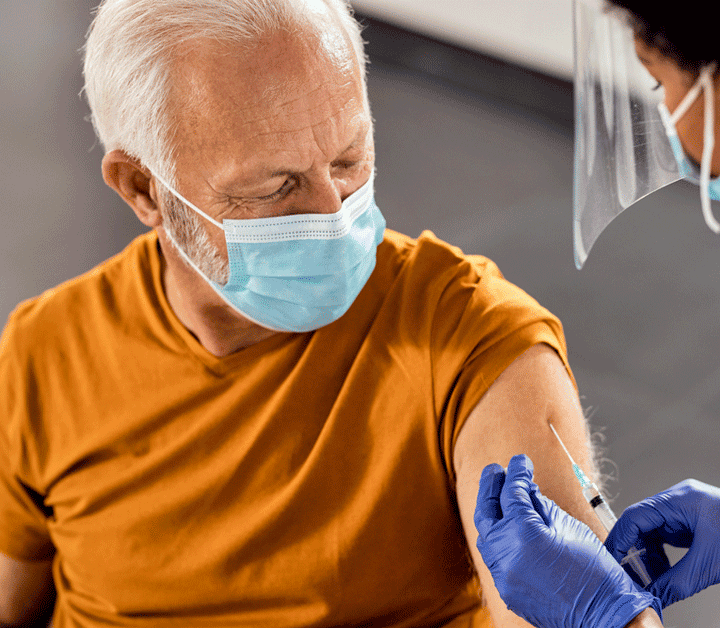
Good care is possible, but only if you organize it well in advance.
Thailand has excellent private hospitals in major cities, often with international accreditation and good specialists. Outside the major cities, the situation is more varied. Emergency care, specialist treatment, and ambulance transport may be more limited there, potentially requiring transfer or medical evacuation. Furthermore, foreigners are usually not automatically covered by the same public insurance as Thai citizens. In practice, you are often dependent on private or international insurance, or on out-of-pocket expenses. Hospitals frequently require an insurance check or a deposit first, even if the care is urgent. The medical emergency number is 1669. Additionally, 191 for general emergencies and 1155 for the tourist police are useful to have saved.
It is precisely during the preparation phase that many expats and retirees make mistakes. They focus on malaria and forget about the heat, air pollution, and traffic. They think that a city automatically offers protection against mosquito-borne diseases. They bring too little medication, do not know the generic names of their remedies, and do not have a doctor's note detailing conditions, allergies, and dosages. They choose a home based on price or view, but not on its proximity to a good hospital, the presence of air conditioning, mosquito nets, and safe drinking water. And they assume that every hospital immediately operates cashless. Buying local sleeping pills or other medications without proper medical and legal advice is also risky, just like riding a scooter without the proper license, helmet, and insurance.
Therefore, what you specifically need to arrange is clear:
- Schedule an appointment with your general practitioner, specialist, and travel doctor four to six weeks before departure;
- Update routine vaccinations and discuss hepatitis A, hepatitis B, typhoid, and, depending on your situation, also rabies, Japanese encephalitis, and chikungunya;
- have the effects of heat, fluid loss, and climate on your blood pressure, kidneys, and medication assessed;
- bring sufficient medication in its original packaging, plus a doctor's note and the generic names of all medications;
- check in advance whether your medicines are legally allowed into Thailand and whether they are reliably available there;
- choose a home with air conditioning, mosquito nets, safe water, and a good hospital within a reasonable distance;
- arrange insurance that covers admission, specialist care, and medical evacuation;
- save emergency numbers and the direct numbers of your chosen hospitals;
- use mosquito repellent every day, even in cities and outside the classic rainy season;
- drink only safe water and be strict with ice, raw food, and lukewarm buffet food;
- Limit scooter use and never combine alcohol with heat or traffic;
- Build a stable care and social network upon arrival, because continuity of care and contact is also health protection.
Thailand can be a pleasant country to live in, but staying healthy requires preparation and daily discipline. It is not a single exotic disease that determines the risk, but rather the combination of heat, infections, air quality, traffic, medication, and access to healthcare. Those who take this seriously make long-term living in Thailand safer and more realistic.
Sources: CDC, WHO, Netherlands Worldwide, Smartraveller, GGD Travel Vaccinations, HITAP
About this blogger

-
This article has been written and reviewed by the editorial team. The content is based on the author's personal experiences, opinions, and independent research. Where relevant, ChatGPT was used as a tool for writing and structuring text. We also sometimes generate photos using AI. Although the content is handled with care, it cannot be guaranteed that all information is complete, up-to-date, or error-free.
The reader is responsible for the use of the information on this website. The author accepts no liability for any damage or consequences resulting from the use of the information provided.
Read the latest articles here
 Car insuranceApril 14, 2026Buying a car in Thailand often goes wrong due to these 15 mistakes.
 HealthApril 14, 2026Living in Thailand and your health: more than just tropical vaccinations
 TravelApril 14, 2026Is Vietnam an alternative to Thailand in the winter?
 Expats and retireesApril 14, 2026Homesickness drives part of Western emigrants in Thailand back home